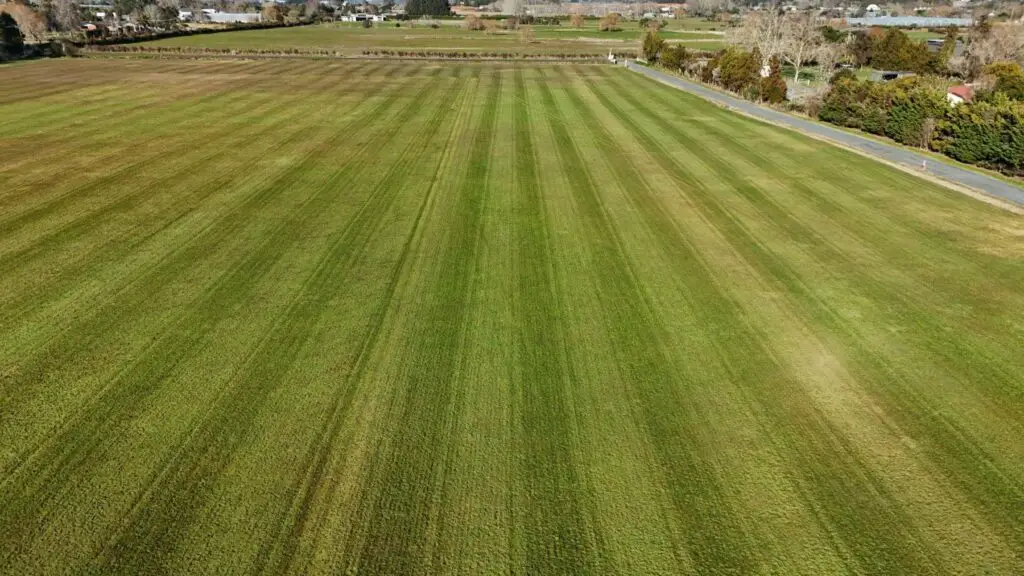
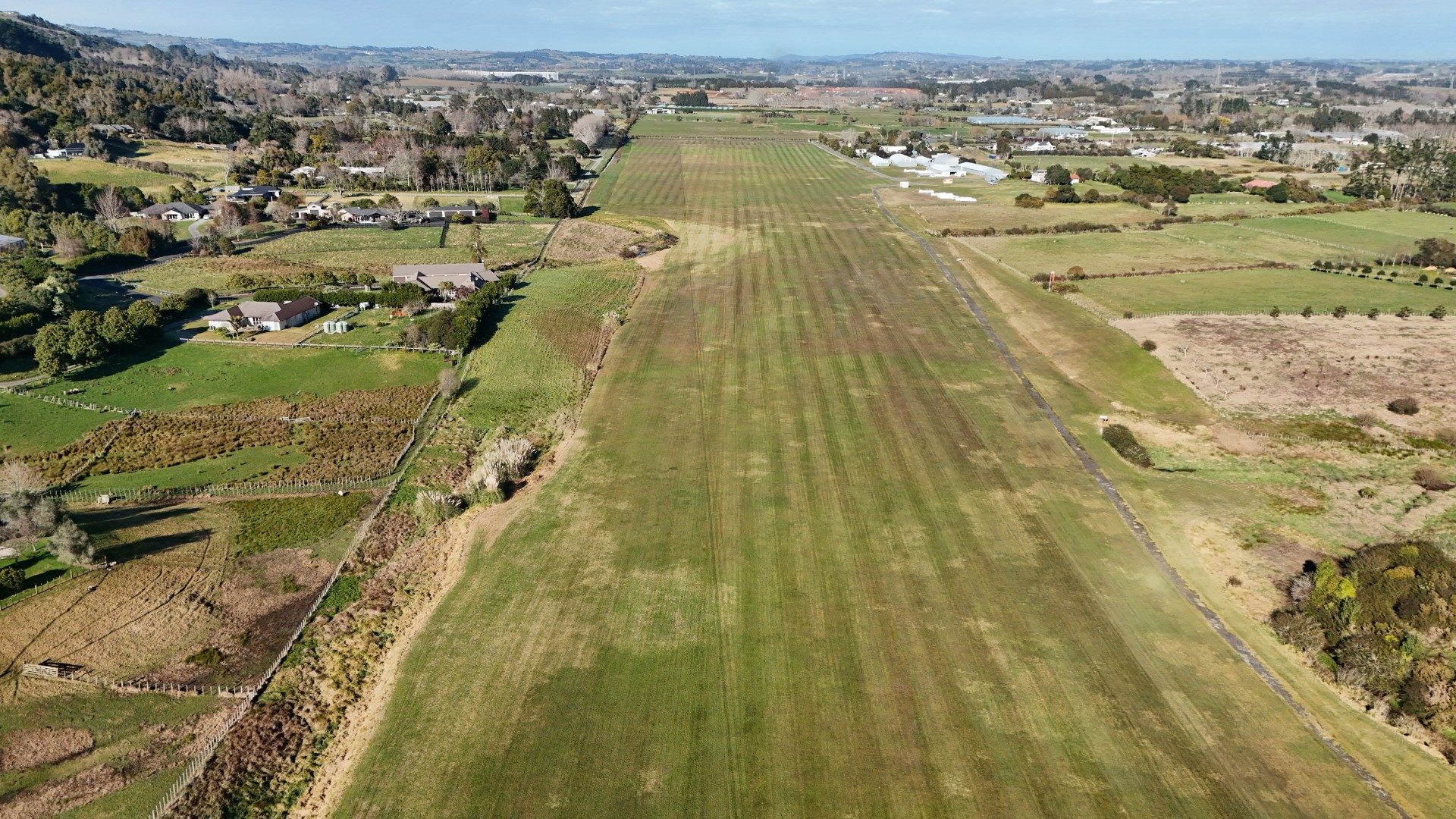
Drury Gliding Club needed a way to keep 50 acres of runway and surrounding grass at a safe, consistent standard, without the safety risk and rising cost of tractor mowing. Since deploying two FJD Rough Ranger mowers, the airfield is mowed weekly instead of once every four weeks, with zero fuel burned and no operator on the machine.
The challenge
Tractor mowing on an airfield carries real risk. Heavy machinery is a leading cause of workplace death in New Zealand, killing more than five people a year. Contracted mowing at Drury was running close to $65,000 a year, and a tractor’s four-weekly cutting cycle let grass grow long enough to seed, which draws birds onto the airfield: a genuine bird strike risk.
The solution
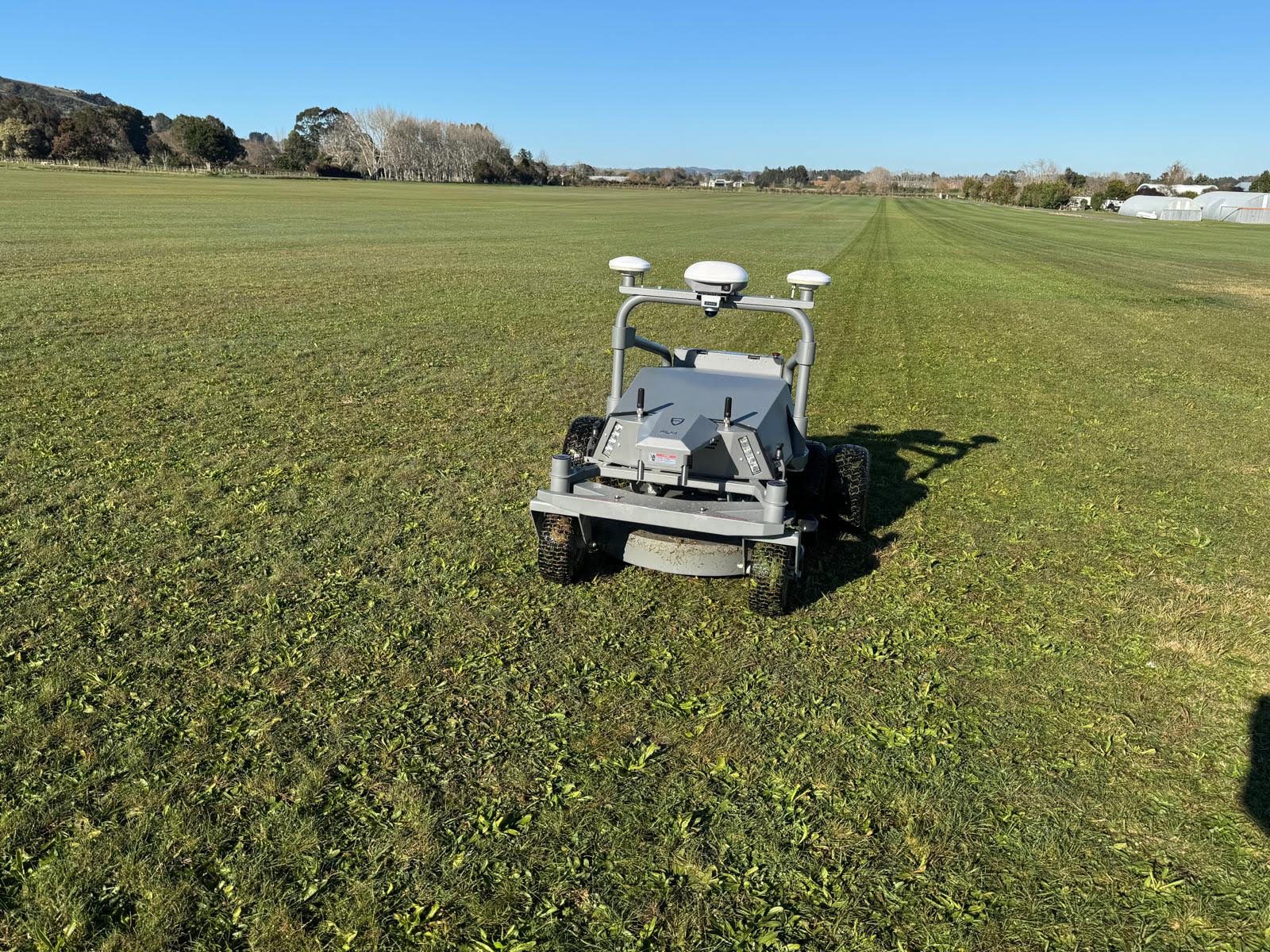
Two 4kWh electric FJD Rough Ranger mowers now run scheduled, geofenced routes across the runway strips and airfield margins. Each machine holds its own map, with the runway itself geofenced out entirely: across the deployment, no mower has entered it. Cutting height is held as fine as 20mm, so grass never reaches seed. Network RTK positioning keeps the mowers on line under tree cover and in shaded areas, with no base station to install or maintain.
The results
- $65,000/year in avoided contracted mowing cost
- 13-month simple payback against that saving
- $900/year in electricity, versus $11,232/year in diesel for a tractor mower
- 4-5 tonnes of CO2 avoided per year
- Zero operators exposed to mowing risk
- Weekly mowing cycle, versus once every four weeks with a tractor
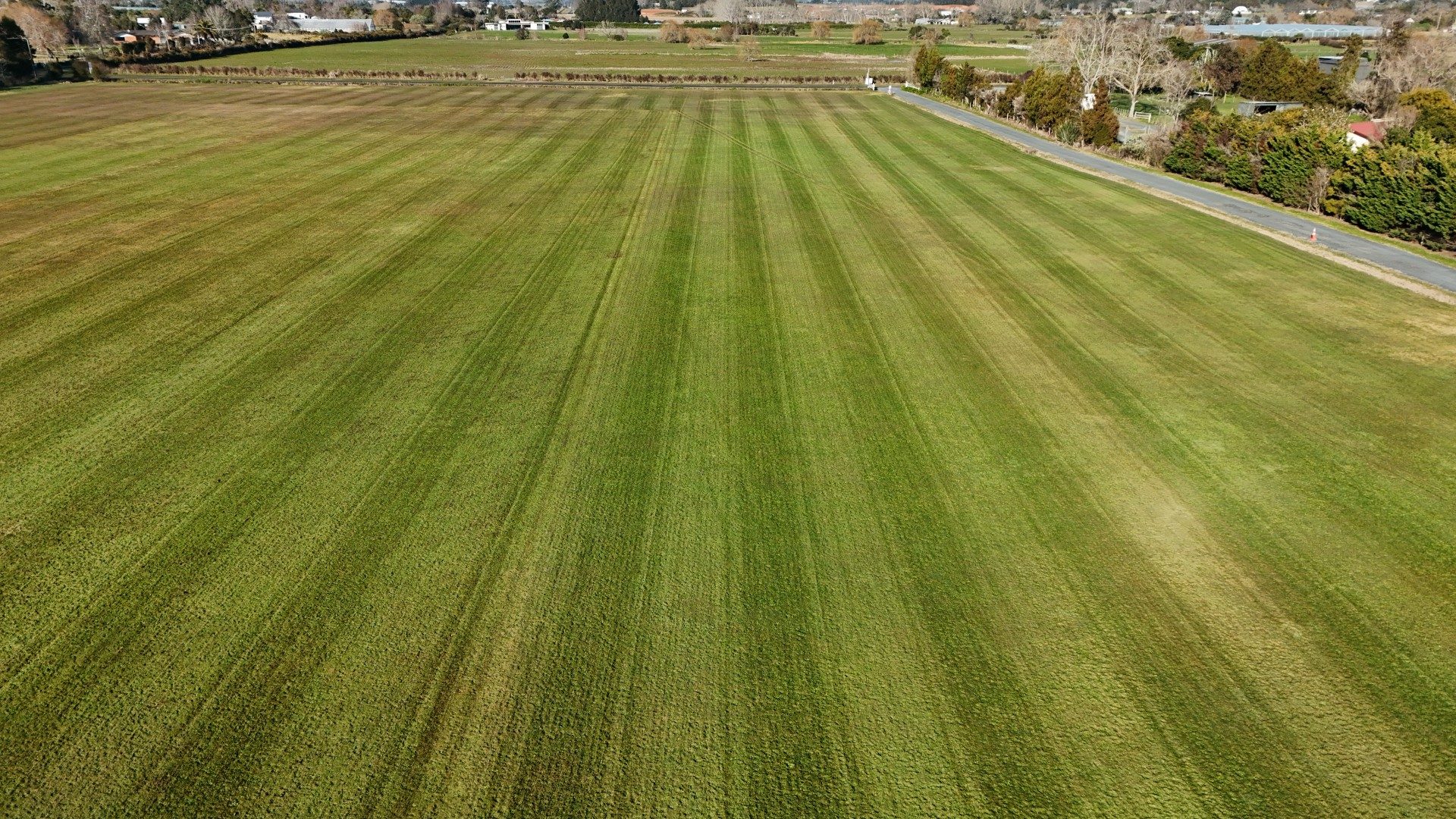
Mowing runs on a schedule built around aircraft movements, including overnight where permitted, so the airfield is never out of action for mowing. Diagnostics and monitoring are handled remotely, cutting down on site visits, and parts, servicing and support are all based here in New Zealand.
Get in touch: 021 418 080 | sales@commercialbots.co.nz